
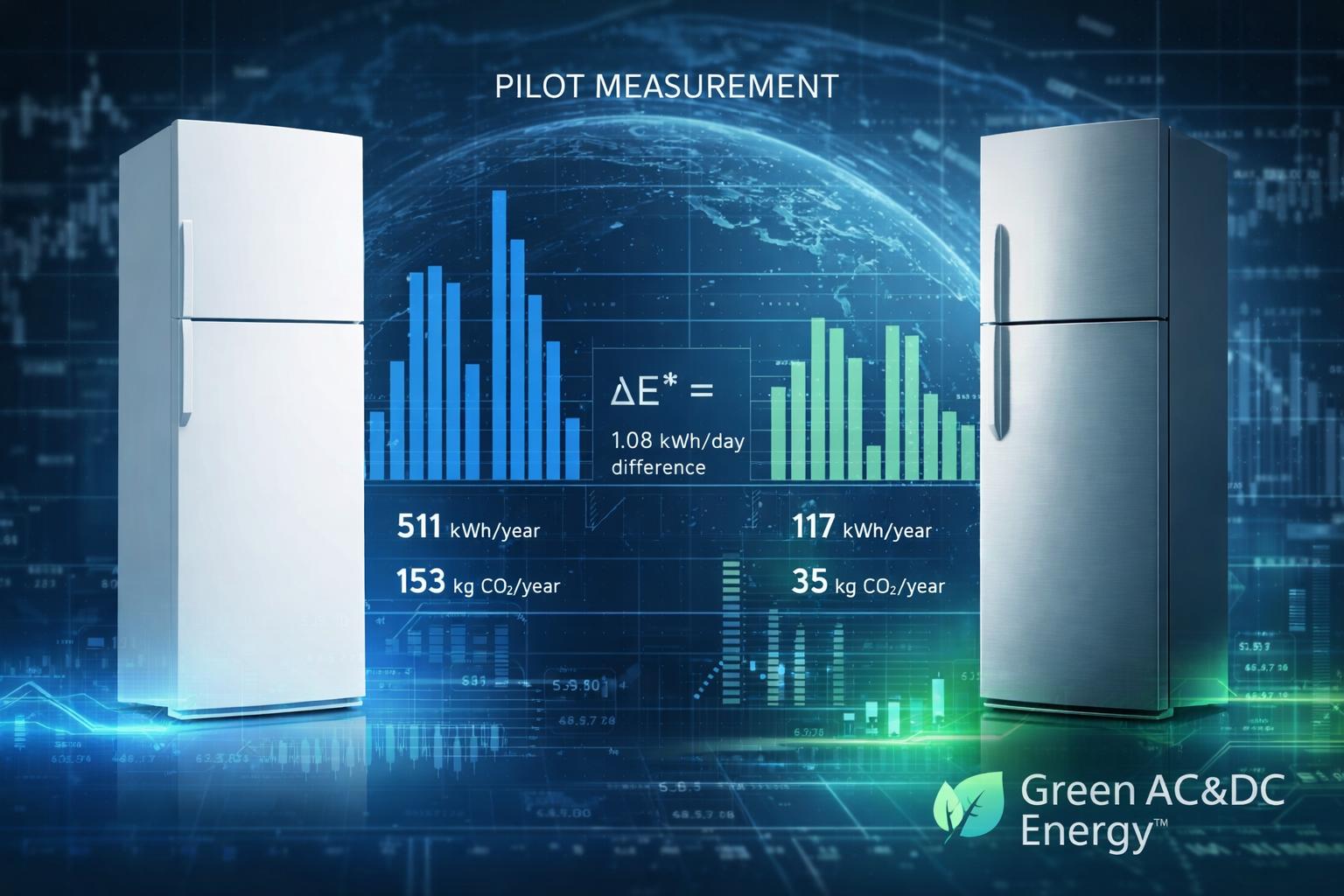
The First Official Residential Pilot Measurement under the Green AC&DC Energy™
methodology reveals a critical truth: real energy savings begin with real measurements. By comparing two refrigerators in two similar households, our pilot demonstrates that hidden inefficiencies in everyday appliances can create dramatic differences in electricity consumption. This is not simulation — this is verified, real-world data proving that immediate, measurable energy reduction is possible.
Real Data Reveals Hidden Household Energy Loss
Location: Slovenia
Households analyzed: 2 residential apartments
Residents: 3 persons in each apartment
Appliance tested: Refrigerator
Method: Real-time electricity consumption measurement
Executive Summary
This is the first official residential pilot conducted by the Institute under the Green AC&DC Energy™ methodology.
Two separate apartments.
Three residents in each.
Normal daily usage conditions.
Direct measurement – not estimation.
The result:
A more than 4x difference in daily electricity consumption between two refrigerators.
Pilot Background
Energy transition debates often focus on grids, power plants, hydrogen or infrastructure upgrades.
This pilot demonstrates something more immediate:
- Significant energy losses may already exist inside everyday household appliances.
Without measurement, inefficiency remains invisible.
Pilot Conditions
– To ensure comparability and credibility:
– Apartment A: 3 residents
– Apartment B: 3 residents
– Standard daily household use
– No artificial test environment
– Continuous operation
– Real-time monitoring device used
– Ambient indoor temperature within normal residential range
Both refrigerators operated under real living conditions.
Measured Results
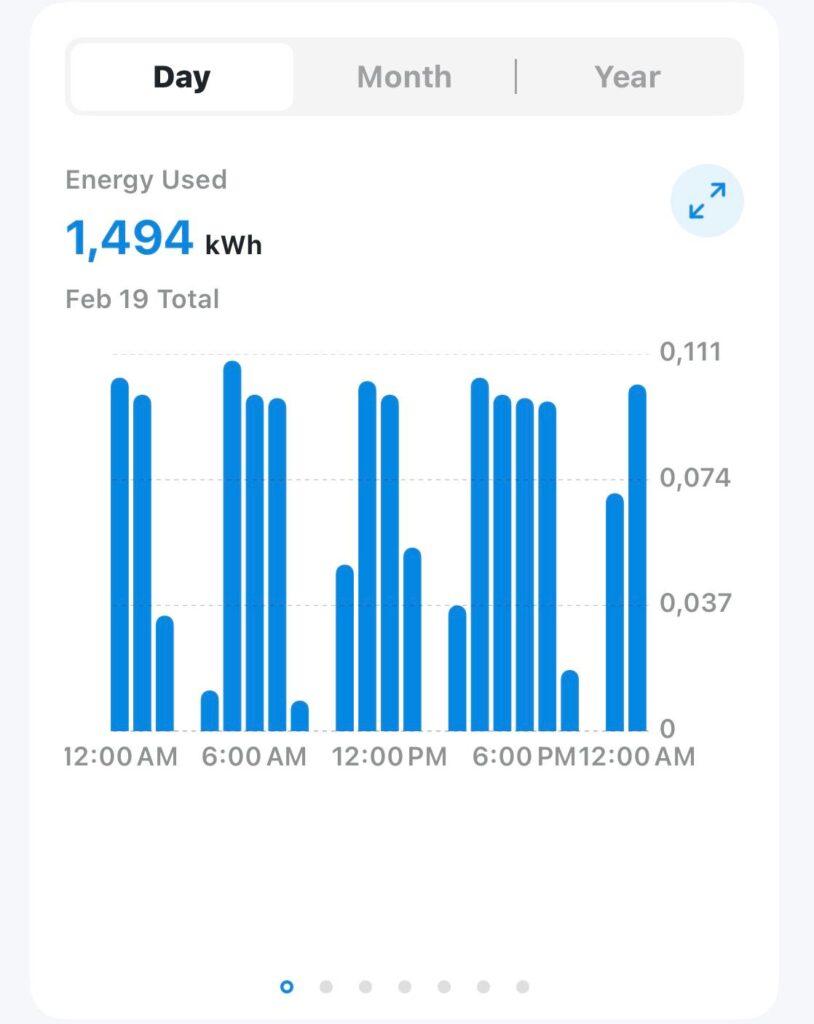
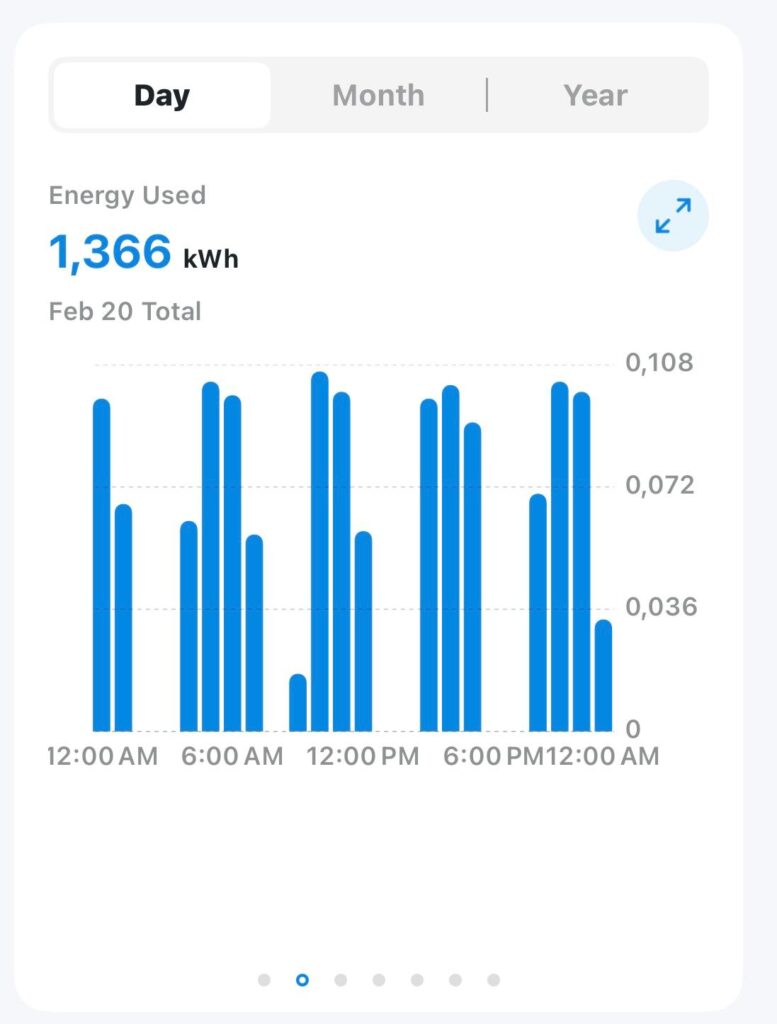
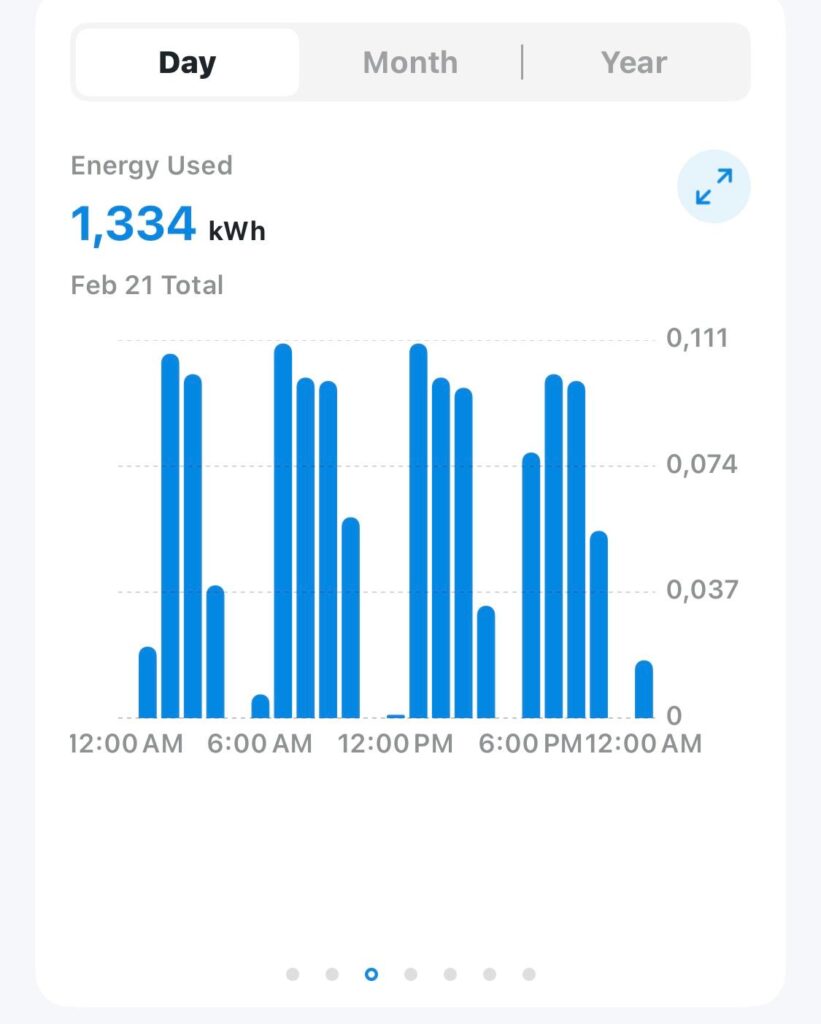
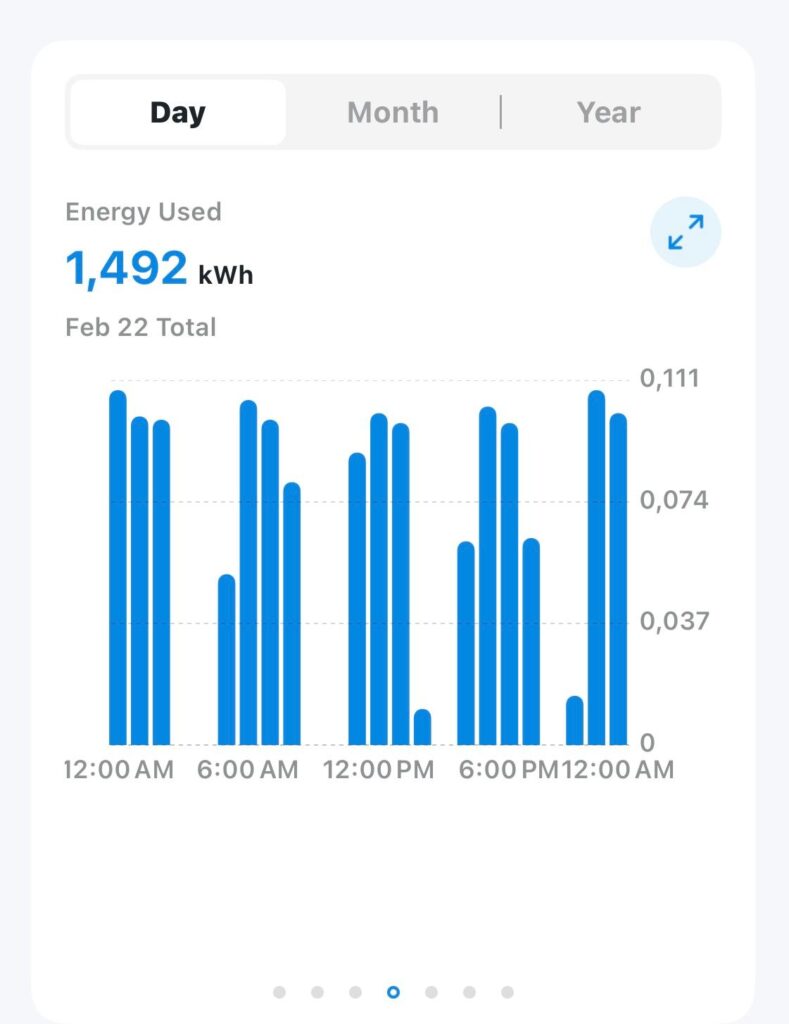
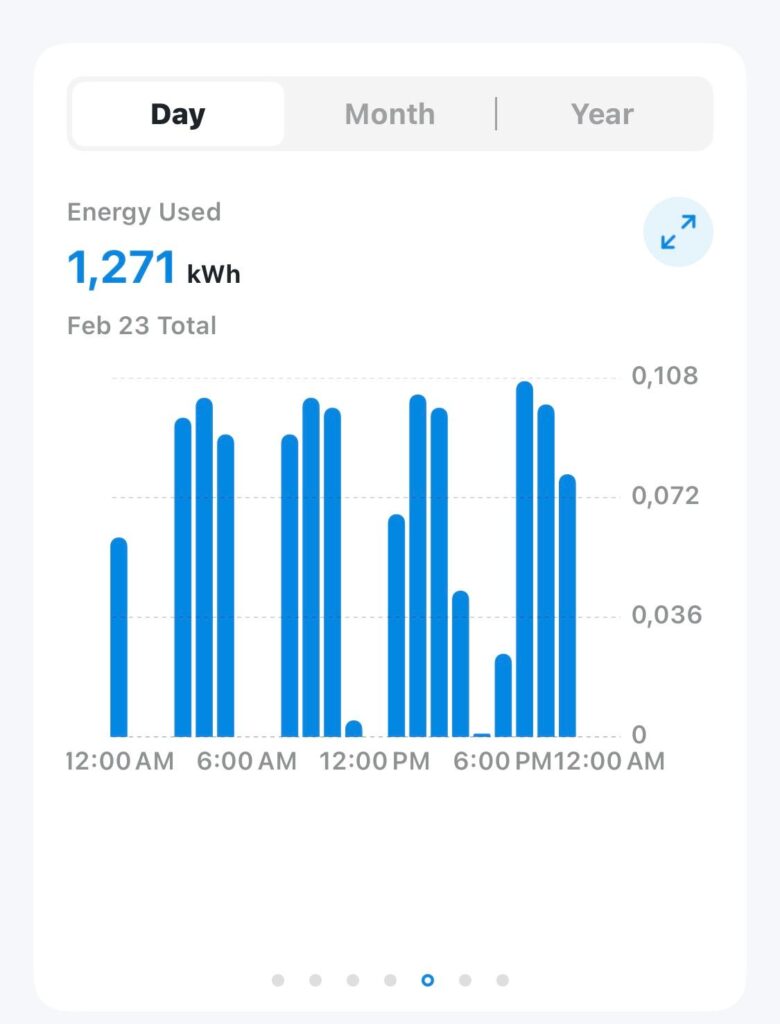
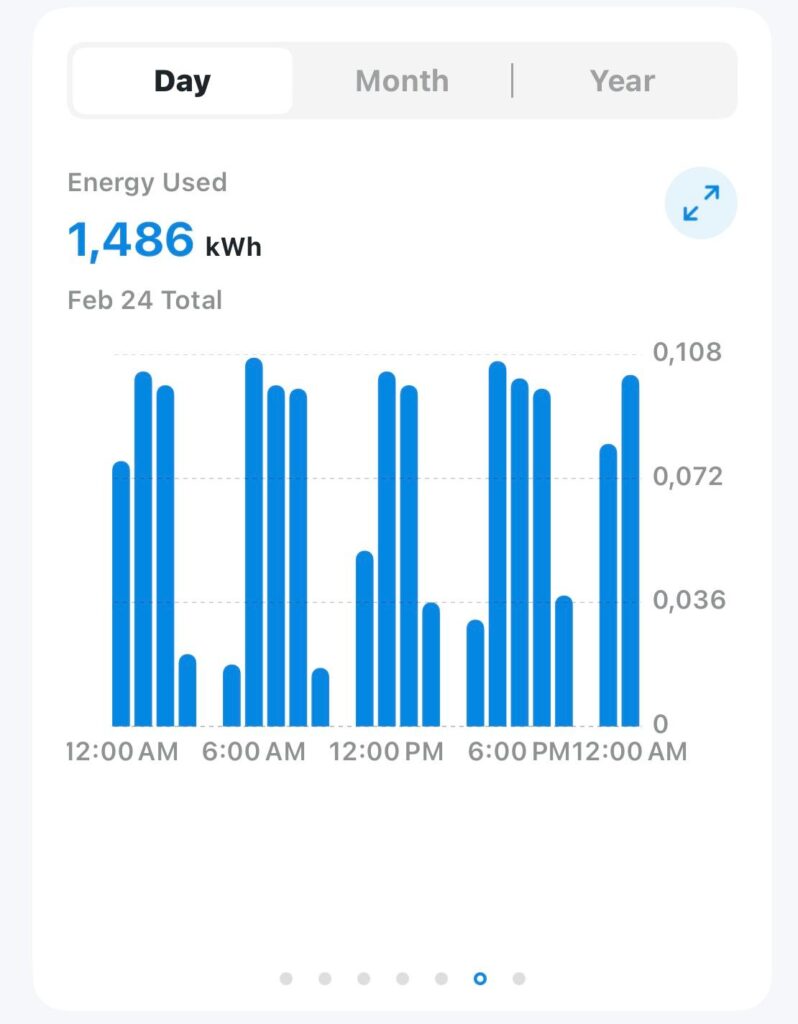
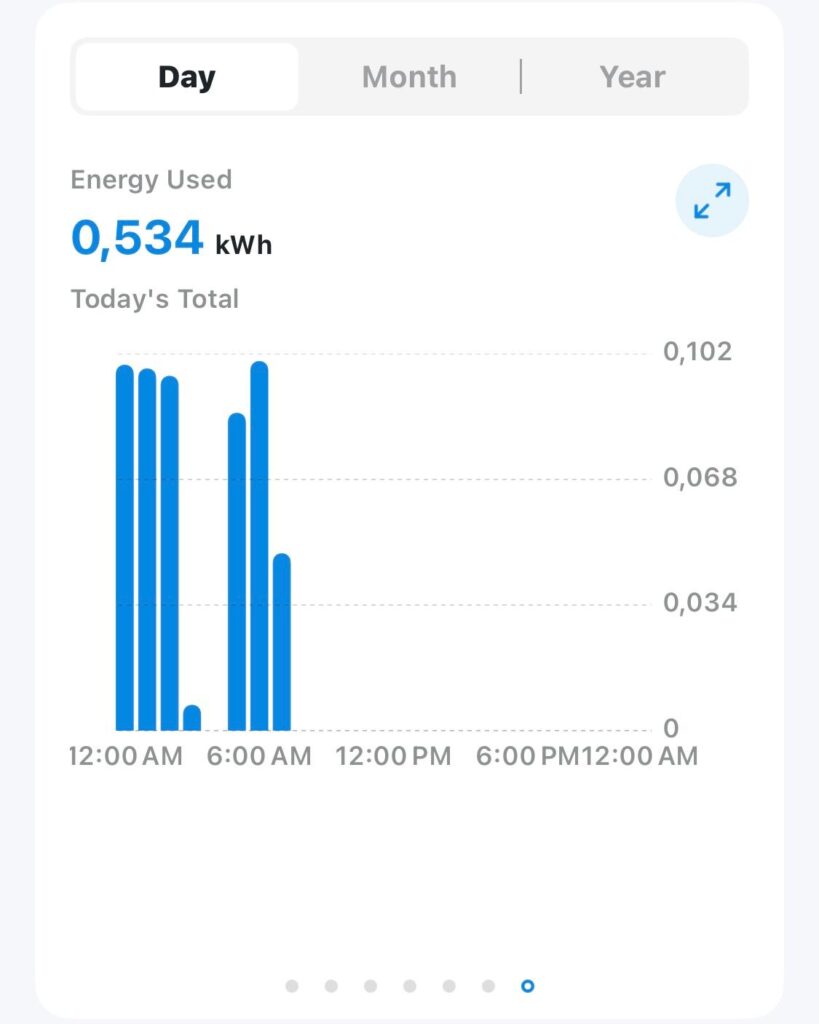
Refrigerator A – Conventional Unit
Average daily consumption: ~1.40 kWh/day
Estimated annual consumption:
1.40 × 365 = 511 kWh/year
Estimated annual electricity cost (0.17 €/kWh):
≈ 86 € per year
Estimated annual CO₂ emissions (0.30 kg/kWh):
≈ 153 kg CO₂ per year
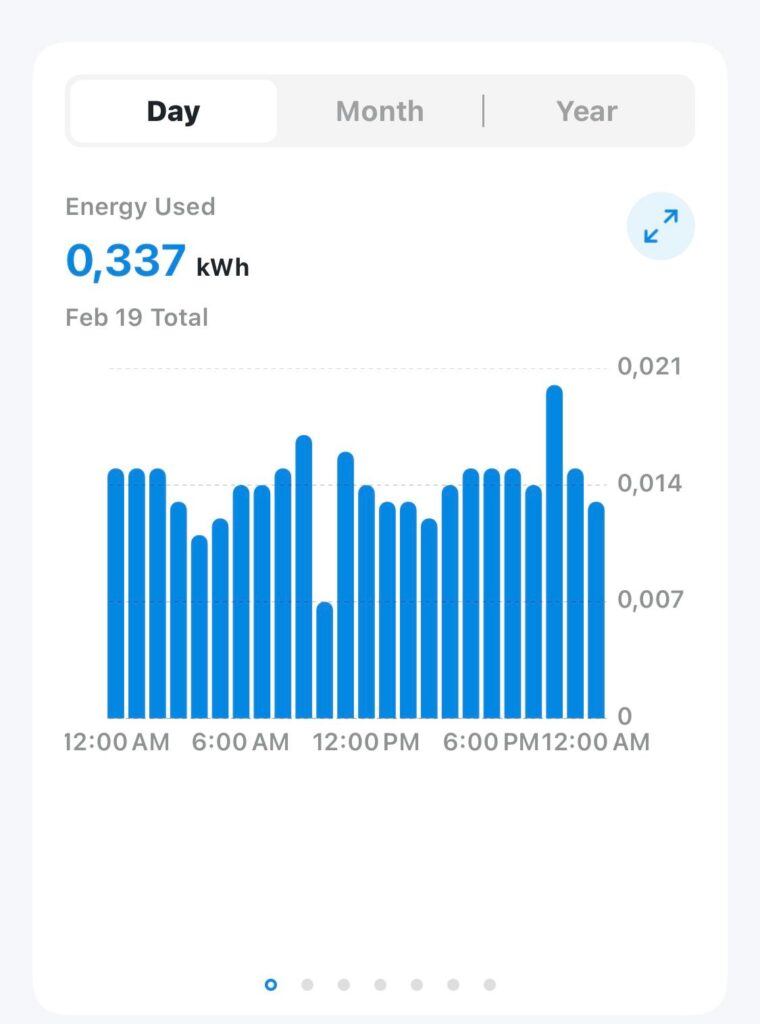
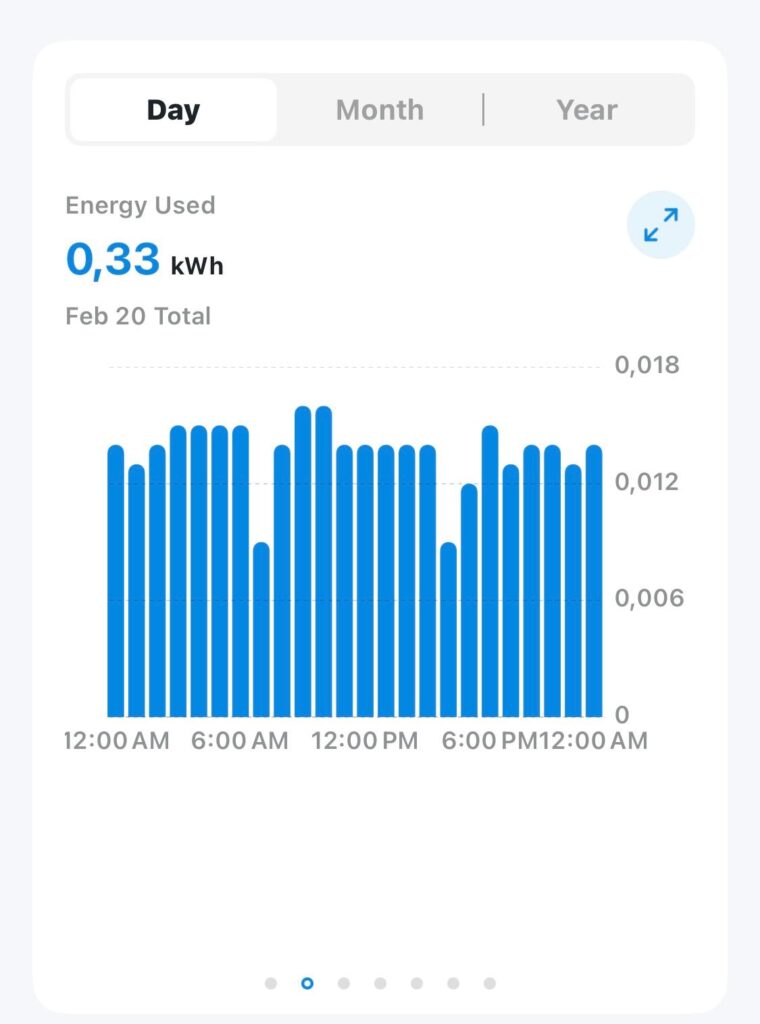
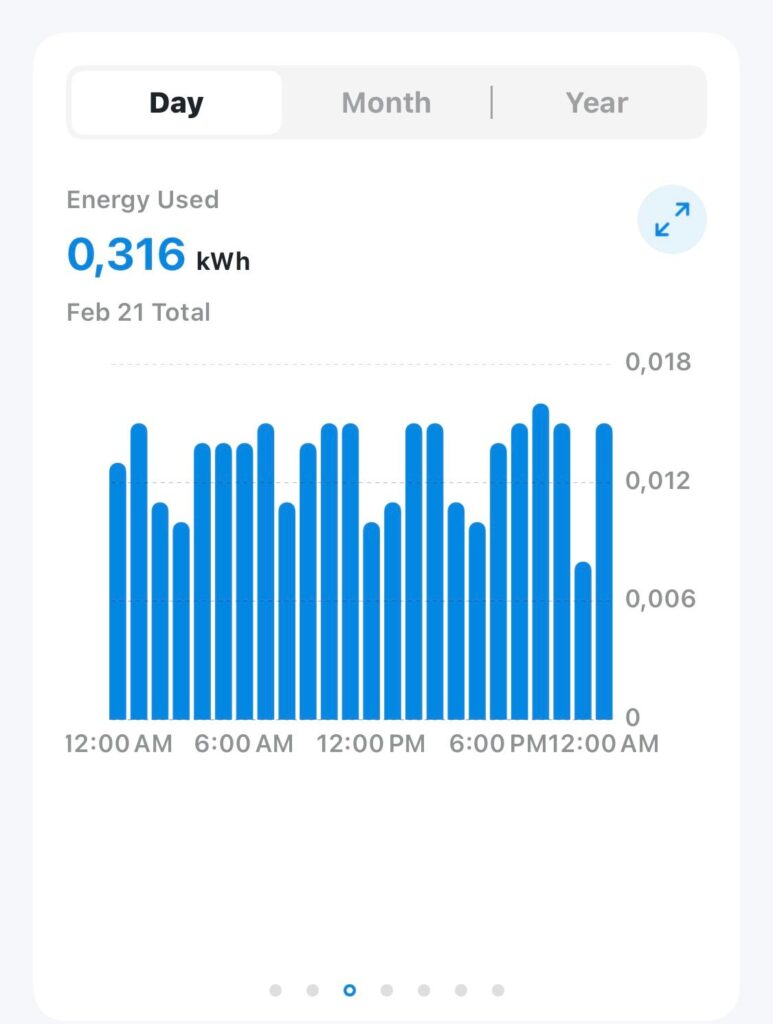
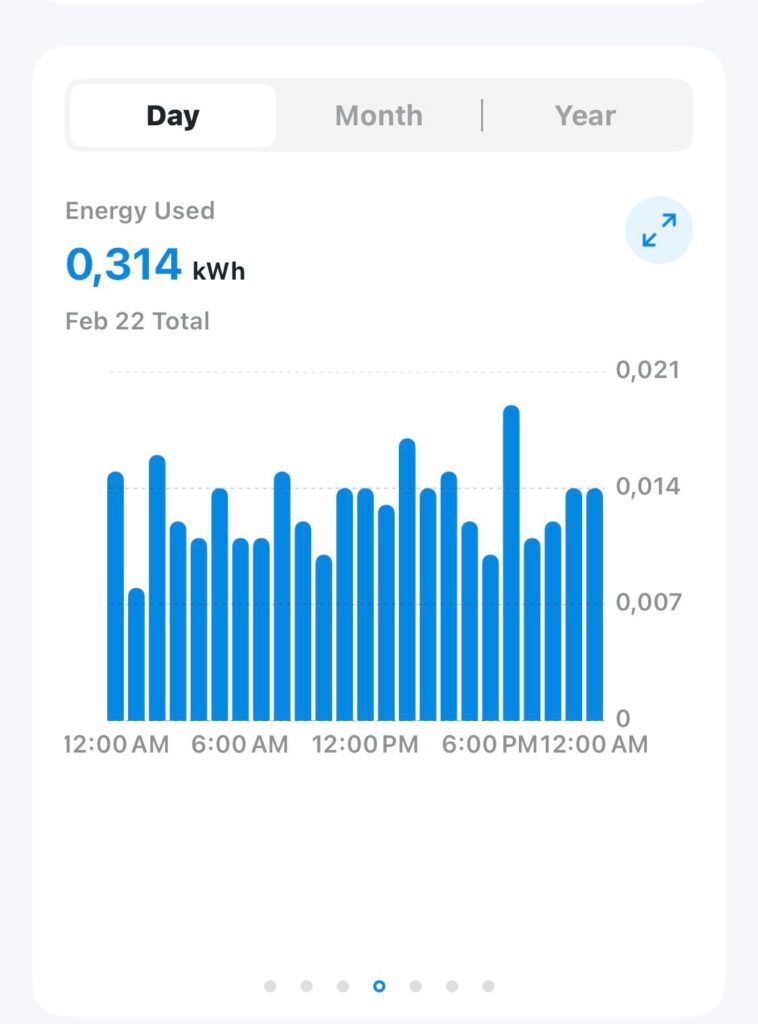
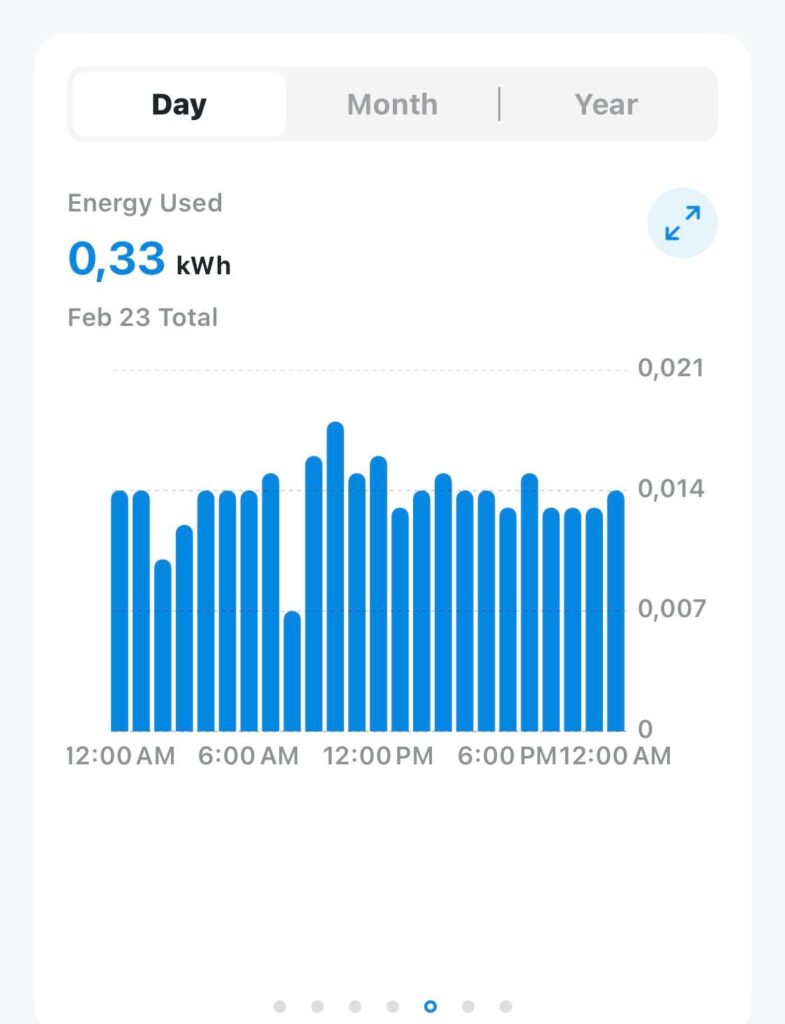
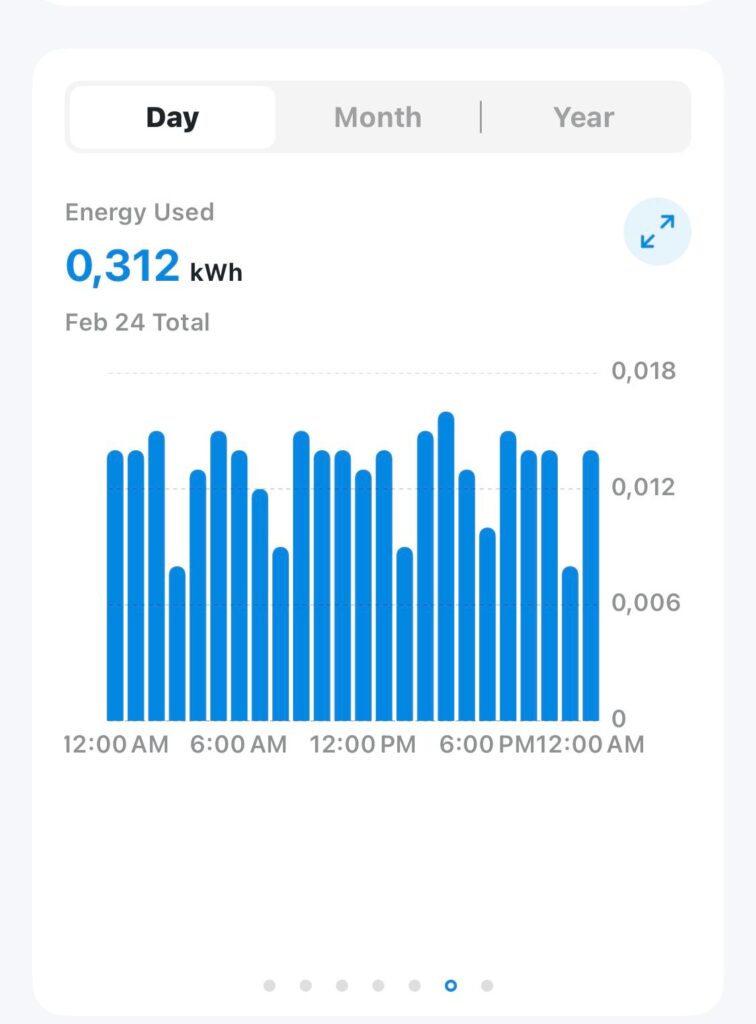
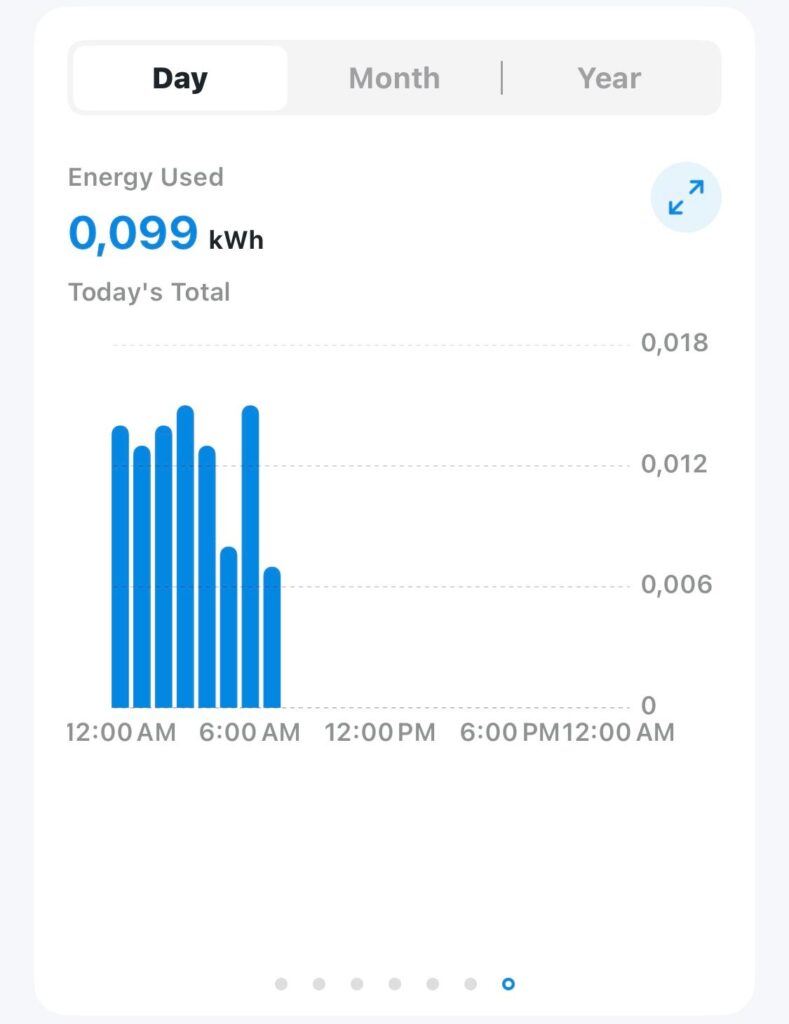
Refrigerator B – Efficient Unit
Average daily consumption: ~0.32 kWh/day
Estimated annual consumption:
0.32 × 365 = 117 kWh/year
Estimated annual electricity cost (0.17 €/kWh):
≈ 20 € per year
Estimated annual CO₂ emissions (0.30 kg/kWh):
≈ 35 kg CO₂ per year
Comparative Overview
| Parameter | Conventional | Efficient | Difference |
|---|---|---|---|
| kWh/day | ~1.40 | ~0.32 | 4.3x |
| kWh/year | 511 | 117 | -394 kWh |
| €/year | 86 € | 20 € | -66 € |
| CO₂/year | 153 kg | 35 kg | -118 kg |
The difference exceeds four times in daily consumption.
This is not marginal variation.
It is measurable structural inefficiency.
System-Level Implication
If a single inefficient refrigerator generates:
– 394 kWh unnecessary annual consumption
– 118 kg avoidable CO₂ emissions
Then multiplied across millions of households in Europe,
the cumulative hidden loss becomes significant at system scale.
Energy transition must therefore include appliance-level verification.
Green AC&DC Energy™ Methodology
This pilot follows a simple and scalable framework:
1. Measure real consumption
2. Identify inefficiency
3. Implement targeted optimization or replacement
4. Verify measurable reduction
No simulation.
No theoretical modeling.
Only verified data.
Conclusion
Energy transition does not begin in theory.
It begins with measurement.
This first residential pilot confirms that measurable action at appliance level can deliver immediate and quantifiable impact.
The next step is scaling this approach to:
– Residential networks
– Hotels
– Retail & food chains
– Industrial refrigeration systems
Real savings are not theoretical.
They are measurable.