
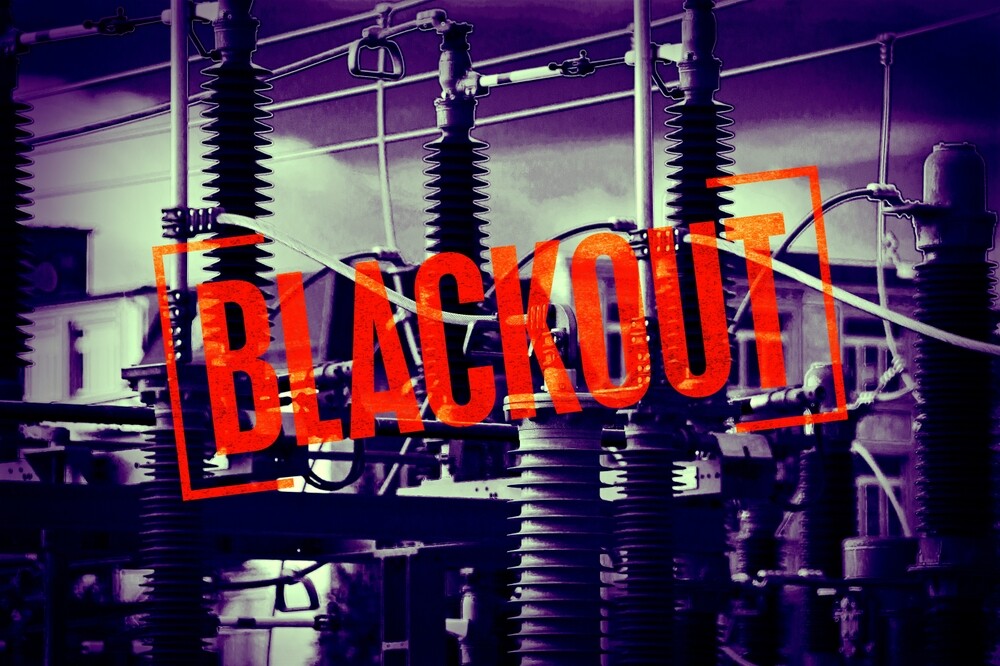
€477 Billion for the Grid – But Is It Enough?
Europe’s power system stands at a critical turning point. According to Energy Intelligence, an estimated €477 billion must be invested in transmission networks by 2040 to prevent a new wave of large-scale blackouts and ensure long-term energy resilience. Yet the real challenge may not be technological – it is bureaucratic and structural.
1️⃣ Outdated Infrastructure Meets Rapid Growth
While renewable capacity expands at record pace, the grid itself struggles to adapt. Solar and wind installations are rising faster than transmission and storage capacity, creating regional imbalances and growing vulnerability. The report warns that the transition speed gap between generation and infrastructure could lead to systemic instability if unaddressed.
2️⃣ The Complexity of Coordination
Europe’s grid involves dozens of national operators, regulators, and private stakeholders. Fragmentation and slow approval processes create bottlenecks that hinder modernization. Energy Intelligence emphasizes that preventing the next crisis requires an “energy alliance” – a coordinated approach across markets, borders, and sectors.
“To prevent the next blackout, Europe’s energy leaders must coordinate action across organizational boundaries at speed and scale.”
— Energy Intelligence, 2025
3️⃣ From Bureaucracy to Agility
The biggest barrier is not technology – it’s inertia. Regulatory and procedural delays stall innovation and investment. The report highlights the importance of pilot programs, real-time coordination, and data transparency to accelerate change and rebuild trust across the energy ecosystem.
4️⃣ The Systemic Solution Ahead
Preventing future blackouts demands more than capacity expansion. It requires systemic efficiency – technologies and strategies that balance consumption, reduce load pressure, and integrate local renewable resources. This aligns with a growing European consensus: energy efficiency and decentralization are no longer optional, but foundational pillars of a stable and intelligent energy network.
Green AC&DC Energy™ directly addresses this challenge. By transforming lost consumption (ΔE*) into measurable savings, optimizing hybrid AC/DC performance, and stabilizing peak loads, the program provides a scalable solution that offsets Europe’s projected €477 billion grid investment. Within ten years, these systemic savings can neutralize the need for massive CAPEX – not by adding infrastructure, but by eliminating inefficiency at its source.
Conclusion
Europe’s next challenge isn’t generating more energy – it’s using it smarter. Without modernization of the grid and coordinated efficiency strategies, even clean energy could become a victim of its own success. The message from Energy Intelligence is clear: energy resilience begins not with more power – but with smarter systems that can sustain it.